Every three months we'll send out a newsletter containing major campaign highlights and updates. We continue to be honored and inspired by all of our supporters - we could not do this important work without you. Thank you!


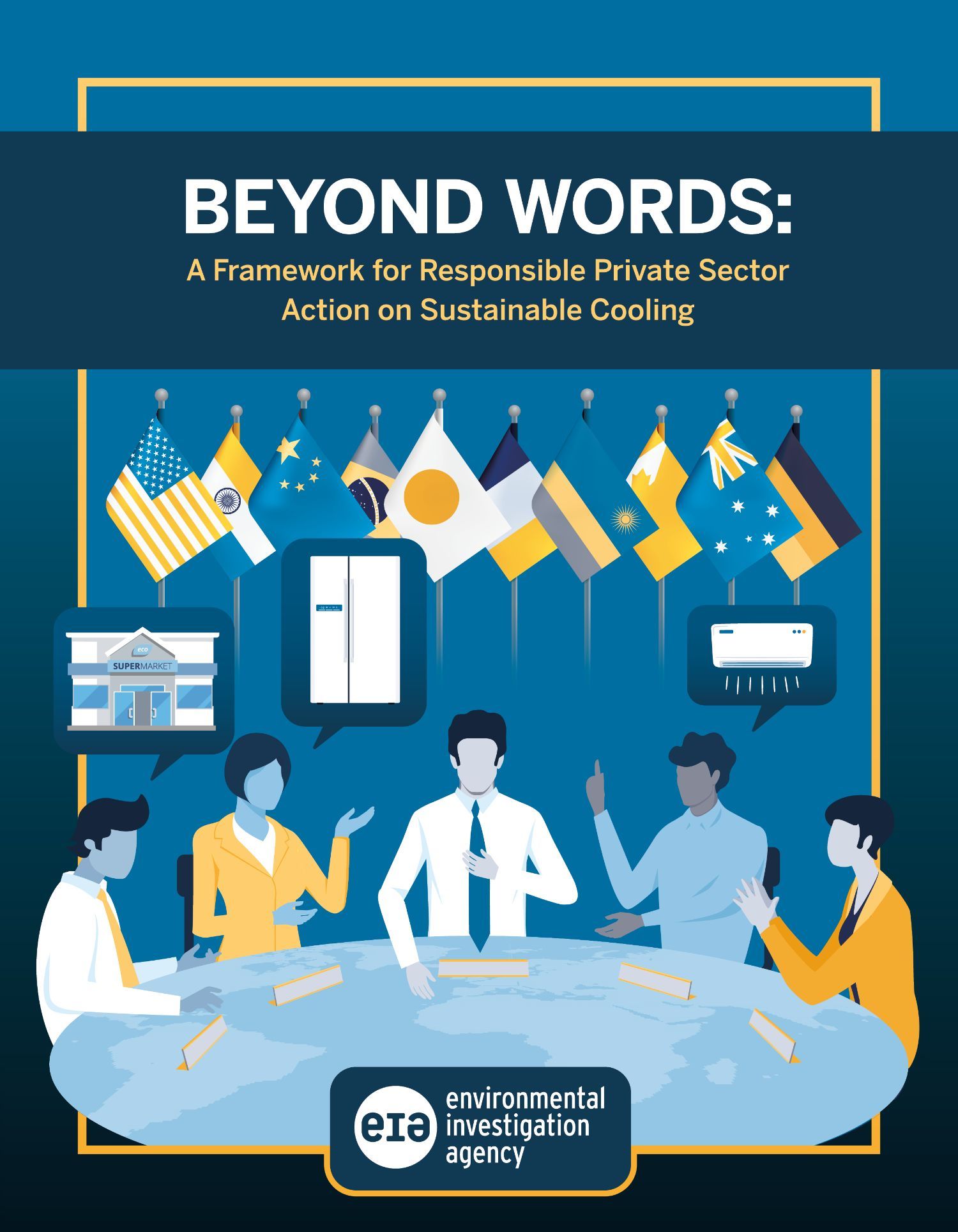
EIA’s climate team launched a new report, Beyond Words: A Framework for Responsible Private Sector Action on Sustainable Cooling, in June at the UN Bonn Climate Change Conference. The report examines past private sector commitments and outlines a framework for developing new commitments that are transparent, measurable, and appropriately ambitious to drive down emissions in this pivotal decade for climate action.

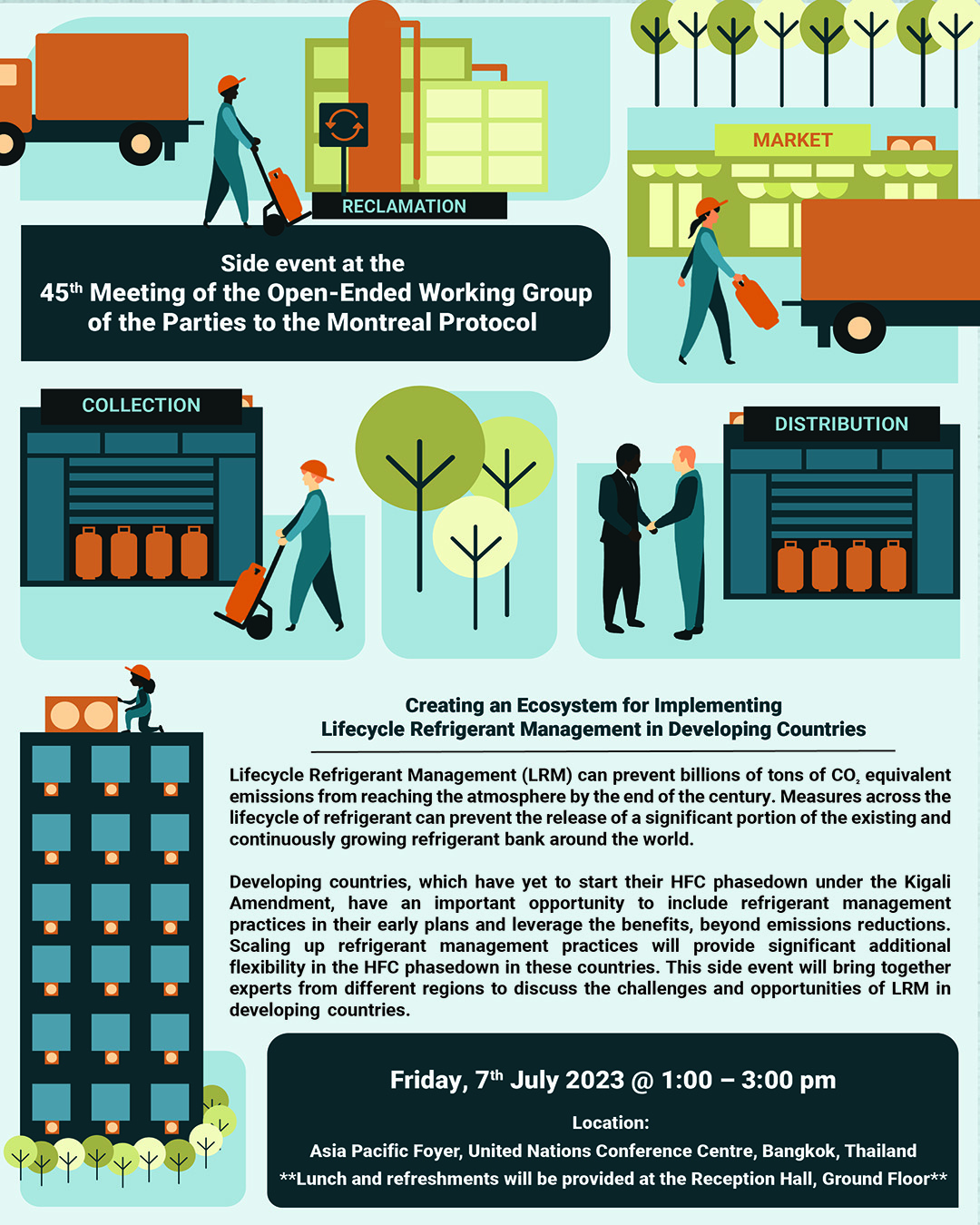
The 45th Open-Ended Working Group of the Montreal Protocol (OEWG45) met in Bangkok and spent a day discussing “Strengthening the effective implementation and enforcement of the Montreal Protocol” focused on illegal trade and enforcement, as long advocated by EIA. We provided inputs to the workshop and on other OEWG45 agenda items, including gaps in monitoring of controlled substances and strengthening institutions. EIA also co-hosted a side event on opportunities for increased lifecycle refrigerant management in developing countries.

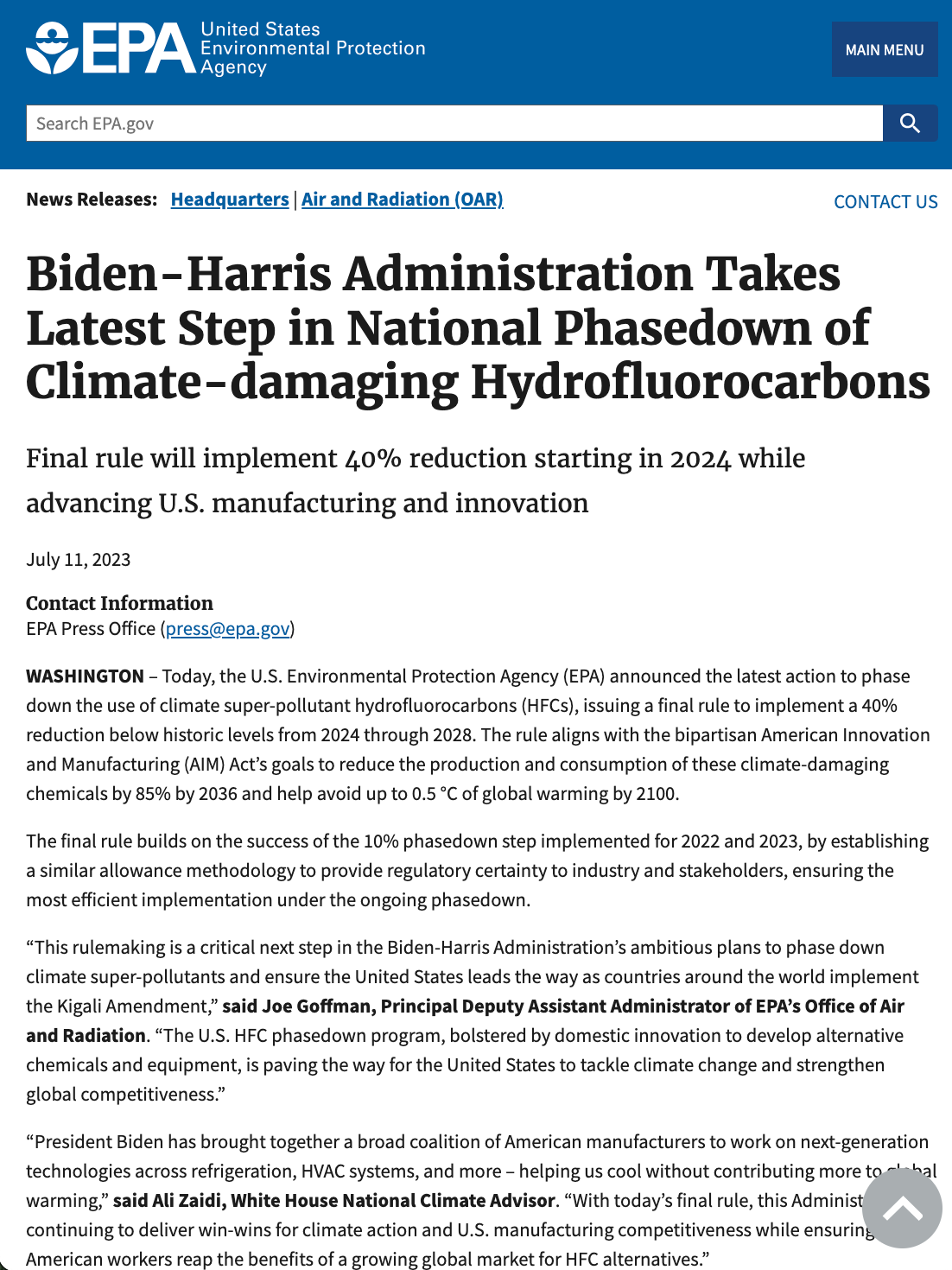
The U.S. EPA released its final rule to implement a 40% reduction of production and consumption of HFCs below historic levels to begin in 2024, a major step in the regulatory phase down to reduce the climate-damaging chemicals. As Avipsa Mahapatra, our Climate Campaign Lead, stated in EPA’s press release: “This demonstrates EPA’s commitment to stay on track to deliver on the Kigali Amendment goals and protect our planet from destructive super-pollutants.”


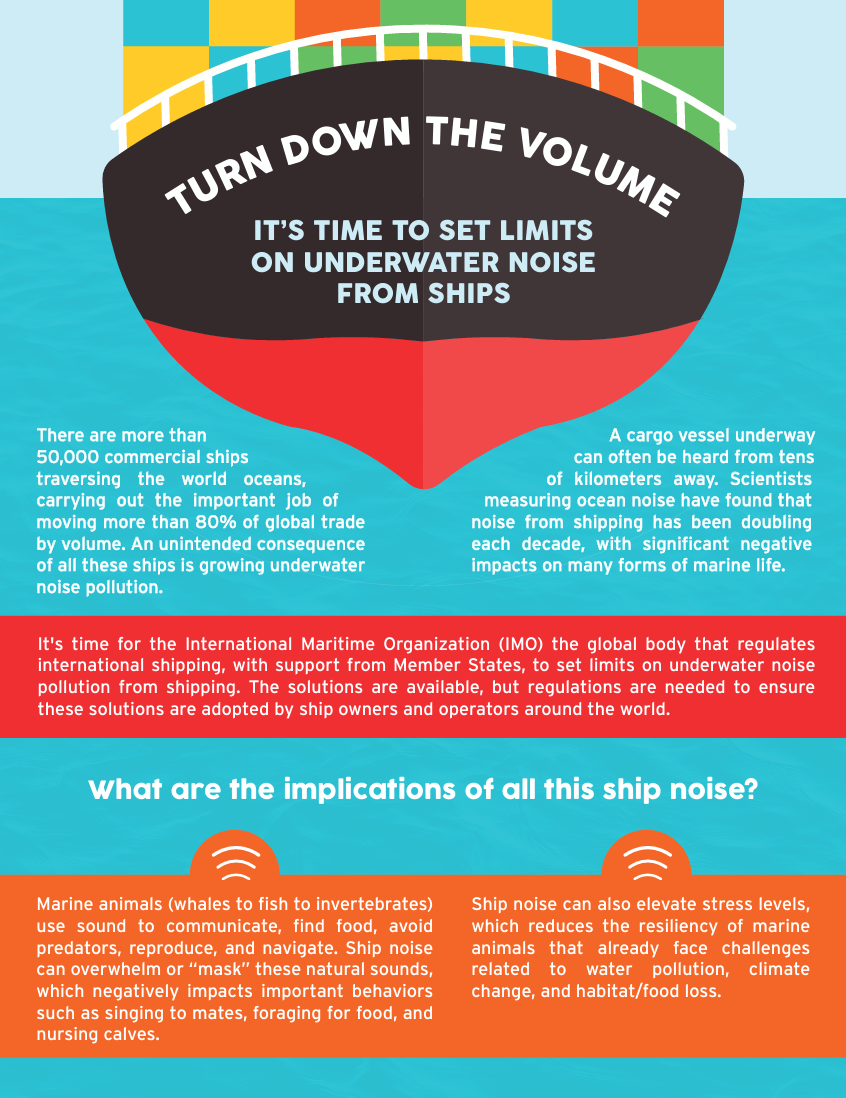
We released a collaborative infographic on underwater noise and called for the International Maritime Organization (IMO) to set limits on noise pollution from commercial ships. Design and operational solutions exist to make these ships quieter while also more energy efficient, but these solutions need to be made mandatory through regulations to ensure their adoption by ship owners and operators. EIA is calling for essential action to address the issue of underwater noise pollution from commercial ships and protect vulnerable marine ecosystems.

In May, EIA went to Tokyo to meet with the Governor's office and members of the Tokyo Assembly to urge the adoption of an ordinance to prohibit ivory trade within Tokyo. EIA's request and meeting built on consistent appeals over the years to urge Tokyo to take legal action to address its ivory trade in lieu of action from the national government.

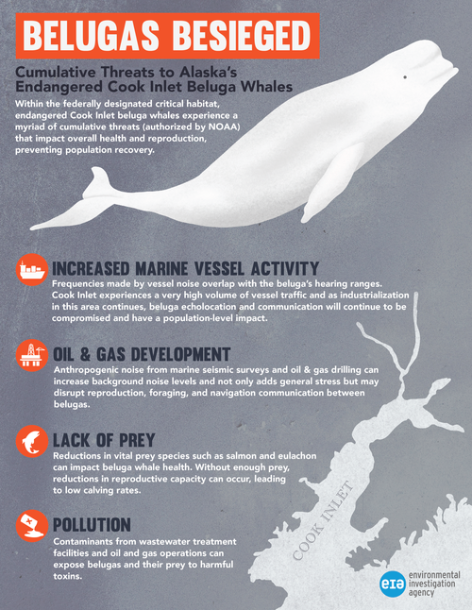
The National Oceanic and Atmospheric Administration (NOAA) released new estimated abundance data on endangered Cook Inlet beluga whales for the first time in six years, highlighting the uncertainty of their future recovery. EIA released a joint statement raising concerns about the inconsistency in surveys and the lack of abundance data, given that the belugas are designated as a "Species in the Spotlight" by NOAA. The continual threats facing Cook Inlet belugas, such as pollution, reductions in prey, and harmful underwater noise, need renewed focus and action to protect their habitat and promote recovery.


Bad Seeds, a new podcast series, released two episodes featuring EIA investigations. Episode 6 explores wood sourcing of Gibson guitars and EIA’s undercover investigation. Episode 7 discusses how the reason behind the rapid disappearance of mukula was revealed through an EIA undercover investigation, which uncovered a network of corruption and fraud that reached the highest levels of Zambia's government.

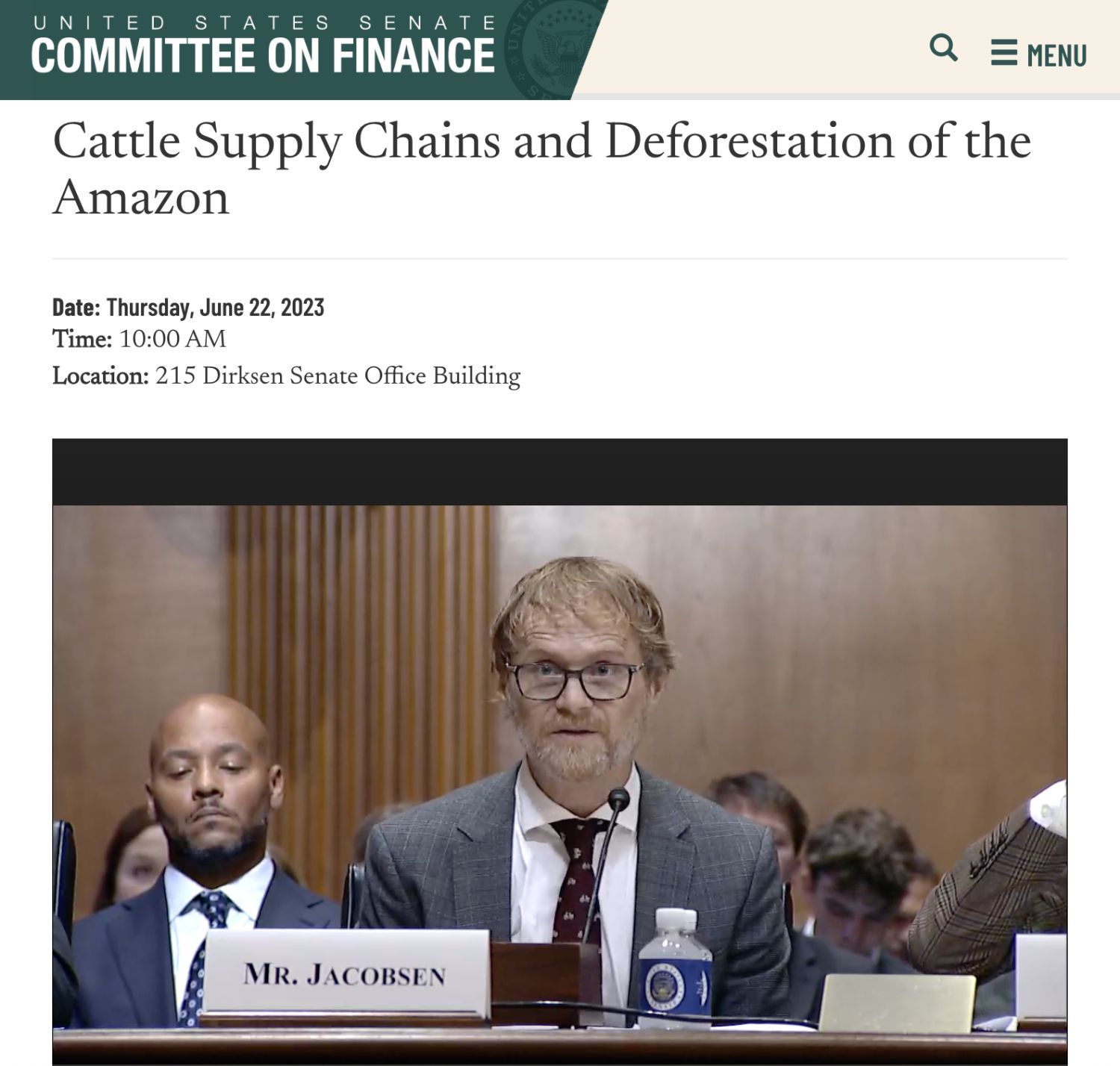
 The Senate Finance Committee held a bipartisan hearing on cattle-driven deforestation in the Amazon in June, where EIA testified on the importance of supply chain traceability and passing the FOREST Act this year. Our investigation report showing illegal deforestation in the supply chains of major meat and leather companies in Brazil, including the world's largest, JBS, was included in the Congressional record of the hearing.

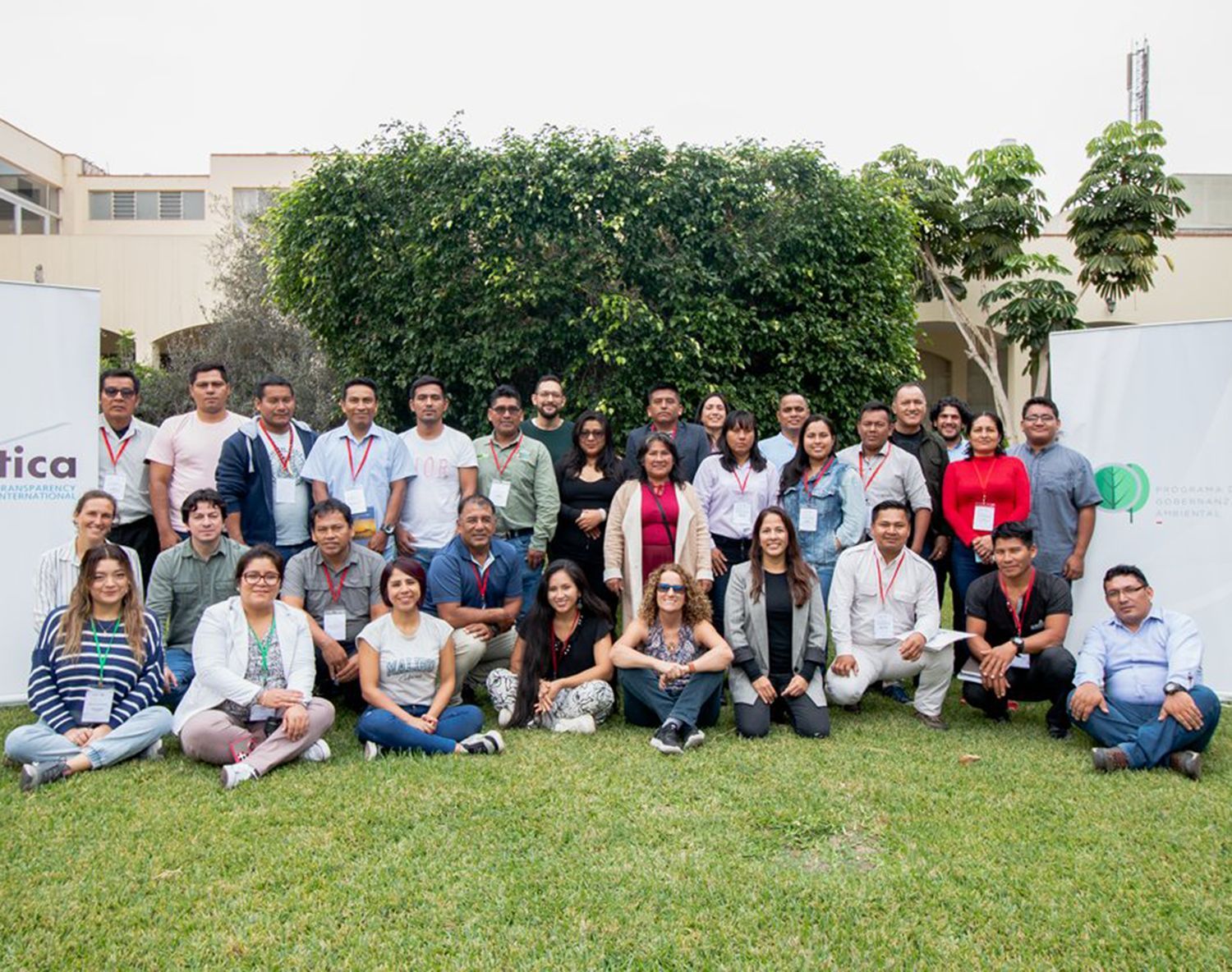
We contributed to and presented at the "Effects of Corruption on Human Rights and Forest Management" workshop in Peru. Representatives of civil society and indigenous peoples from different Amazon regions received training on environmental governance and anti-corruption tools to combat deforestation during this 3-day workshop organized by our partner Proética with EIA’s support.


EIA Newsroom


Environmental Investigation Agency

Protecting the environment with intelligence

https://us.eia.org

Having trouble viewing this email? View it in your web browser

Unsubscribe or Manage Your Preferences